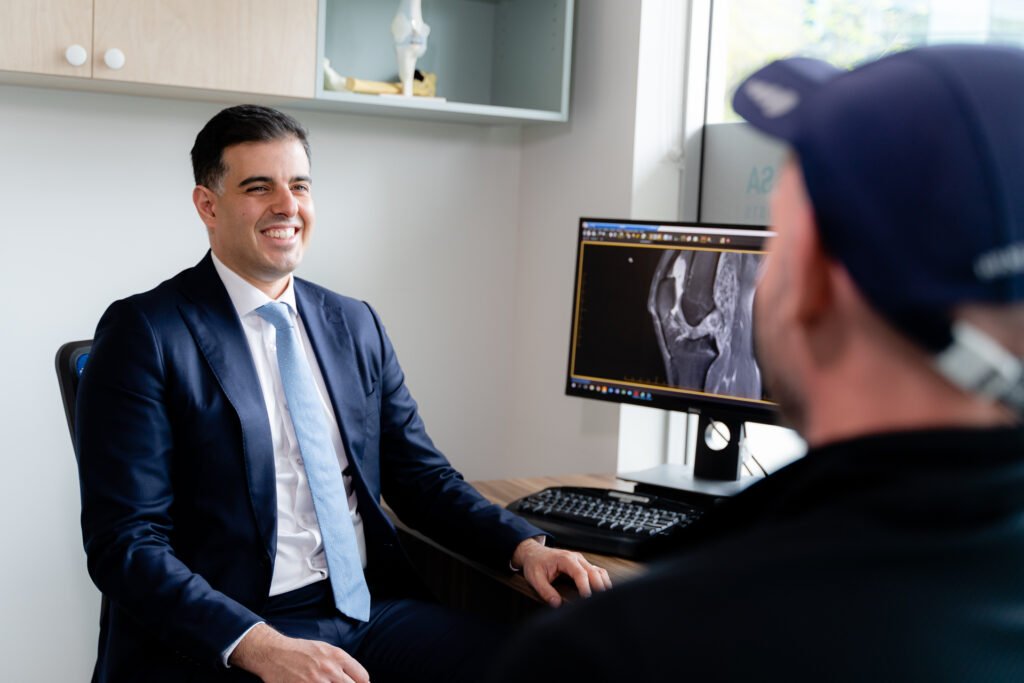
Pre-Op Surgery

Getting ready for your surgery with Dr George Awwad
Preparing well for your upcoming procedure plays an important role in achieving a safe surgery and a smooth, successful recovery. In the weeks leading up to your operation, there are several steps you can take to optimise your health, reduce the risk of complications, and make your hospital experience as comfortable as possible.
This guide will walk you through what to expect before surgery, including key milestones, health tips, and practical advice from pre-admission requirements to what to pack for your hospital stay:
- 1. Optimising your health before surgery
- 2. Medications to stop or adjust before surgery
- 3. Confirm your health fund or payment arrangements
- 4. Diagnostic imaging for surgical planning
- 5. Complete your hospital admission paperwork
- 6. Your anaesthesia consultation
- 7. Geriatrician consultation (if recommended)
- 8. Final pre-surgery screening and checks
- 9. Preparing your home for recovery
- 10. What to bring to hospital
- 11. On the day of your surgery
Optimising your health before surgery
Medication and health review
Nutrition, weight, and lifestyle
Prehabilitation and exercise
Clear expectations and preparation
Medications to stop or adjust before surgery
Medications that may need to be paused or adjusted include:
- Blood thinning medications such as warfarin, aspirin, clopidogrel, rivaroxaban, or apixaban
- Anti-inflammatory medications, particularly non-steroidal anti-inflammatories (NSAIDs) like ibuprofen or naproxen
- Diabetes/Weight loss medications including insulin or oral agents that may need dose changes before and after fasting
- Natural supplements and herbal remedies such as fish oil, turmeric, ginseng, garlic, or vitamin E, which may increase bleeding risk or interfere with anaesthesia
- Do not stop or alter any medications without medical advice.
- Bring a complete list of all your prescription medications, over-the-counter medicines, and supplements to your pre-operative appointments.
- Timing matters. Some medications may need to be stopped days or even weeks before surgery so early planning is essential.
Confirm your health fund or payment arrangements
Private health insurance
- Procedure item numbers for quoting purposes
- A written estimate of surgical fees
- Supporting documentation for pre-approval if required by your fund
Self-funding your surgery
- Transparent, fixed-fee quotes for many common orthopaedic procedures
- Access to private hospital facilities without lengthy public wait times
- Flexible options to suit your budget and healthcare needs
Self-funding may be suitable for patients requiring joint replacement or other orthopaedic procedures who prefer to avoid delays. Our team will guide you through the process and ensure you have a clear understanding of all associated costs before proceeding. If you have any questions regarding your health fund coverage or payment options, please don’t hesitate to contact our rooms. We’re here to help.
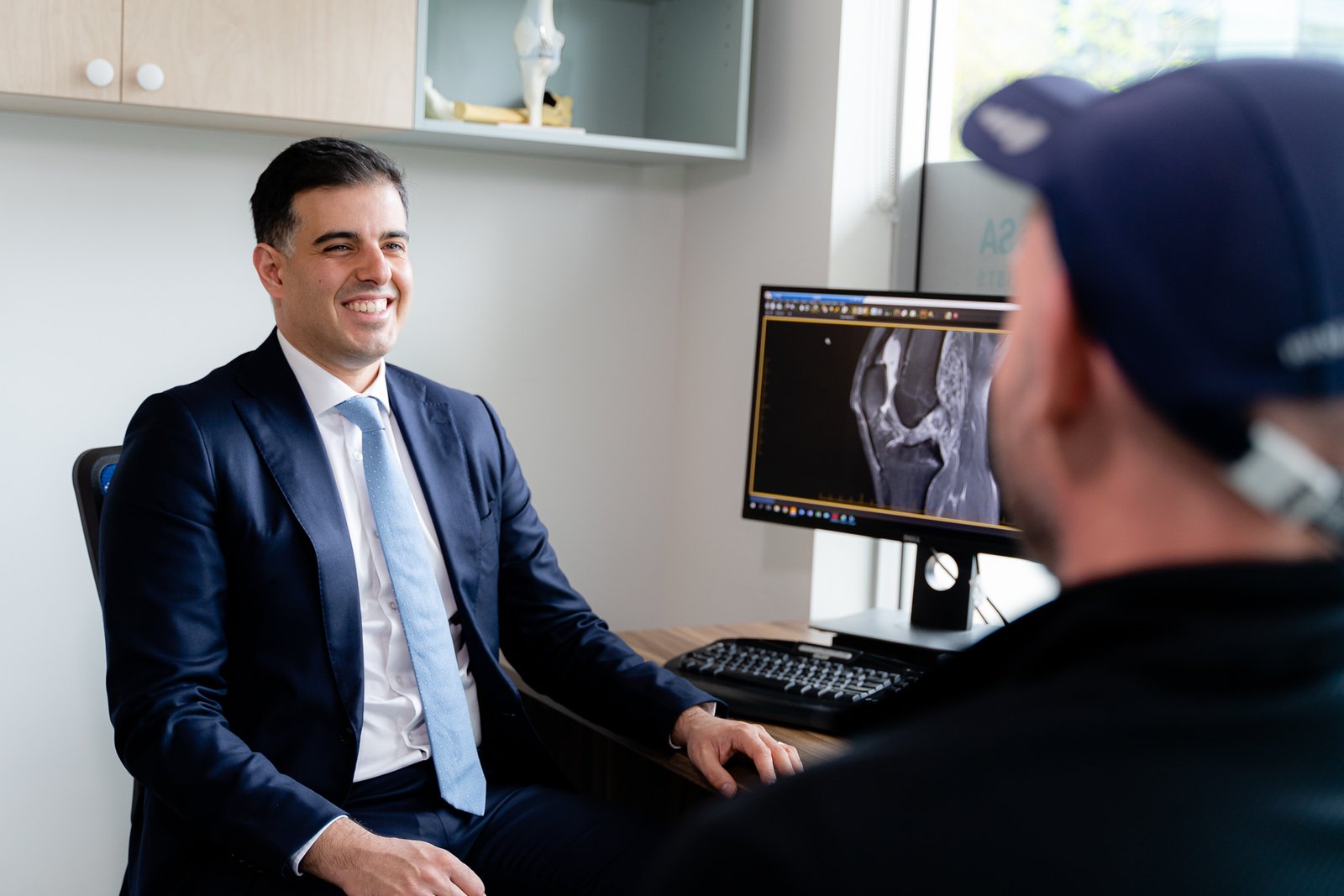
Diagnostic imaging for surgical planning
High-quality imaging plays a crucial role in accurately diagnosing your condition and planning your surgery. Dr George Awwad may request specific diagnostic scans based on your symptoms, joint function, and the type of procedure you are having. These images allow for a clearer view of the affected area, helping tailor your surgical plan to your unique anatomy and condition.
- X-rays: Typically used to assess joint alignment, bone wear, fractures, and signs of arthritis. X-rays provide a quick and effective overview of the bone structures involved.
- CT scans (Computed Tomography): CT imaging provides detailed cross-sectional views of your bones and joints. It is especially helpful in planning for joint replacement, assessing complex fractures, or evaluating deformities or bone loss.
- MRI scans (Magnetic Resonance Imaging): MRIs are most valuable for viewing soft tissue structures such as tendons, ligaments, cartilage, and muscles. These scans may be used to evaluate tears, inflammation, or subtle damage not visible on X-rays or CT scans.
Why imaging matters before surgery
These diagnostic images enable Dr Awwad to:
- Confirm or clarify your diagnosis
- Assess the extent and severity of joint damage or injury
- Select the most appropriate surgical approach, implants, or techniques
- Plan for optimal positioning of prosthetic components
- Monitor your recovery if post-operative imaging is required
Complete your hospital admission paperwork
Below, you’ll find details for each hospital where Dr Awwad operates, including instructions on how to complete your admission forms:
Your anaesthesia consultation
Before your surgery, you will receive a phone call from your anaesthetist to discuss your personalised anaesthetic plan. This is an important part of your surgical preparation, designed to ensure your safety and comfort during the procedure.
For many orthopaedic operations, the anaesthesia approach may involve a combination of:
- Low-dose spinal anaesthetic – to block sensation in the lower body
- Regional nerve block – to help manage post-operative pain
- Light general anaesthetic – to ensure you are relaxed and unaware during surgery
WHAT TO DISCUSS WITH YOUR ANAESTHETIST
- Your medical history – including past surgeries, existing conditions, allergies, or any prior reactions to anaesthesia
- Your current medications – prescription and non-prescription medicines, supplements, herbal remedies, and vitamins
- Lifestyle factors – such as smoking, alcohol use, or recreational drug use
- Fasting requirements – clear instructions will be given on when to stop eating and drinking before your procedure
RISKS AND PRECAUTIONS
- Bleeding (e.g. spinal haematoma, especially in patients on certain blood thinners)
- Infection at the injection site
- Allergic reactions to local anaesthetics
Your anaesthetist will take all necessary precautions and may adjust the anaesthetic plan if risk factors are identified.
FEELING CONFIDENT AND INFORMED
- Understand how you’ll be kept comfortable and safe during your operation
- Know what to expect before, during, and after anaesthesia
- Feel confident in the plan that has been tailored specifically to you
Geriatrician consultation (if recommended)
WHAT THE CONSULTATION INVOLVES
- Review your current medical conditions and medications
- Assess your cognitive function, mobility, and nutritional status
- Identify and help manage any risk factors that may affect your recovery
- Recommend strategies to reduce complications such as delirium, falls, or infections
INTEGRATING THE CARE PLAN
- Medication adjustments – to reduce the risk of interactions or side effects
- Prehabilitation exercises – to build strength and improve mobility before surgery
- Allied health referrals – such as physiotherapy, occupational therapy, or nutritional support
- Cognitive or psychological support – where helpful for patients with memory or mood concerns
FOCUSED ON SAFETY, INDEPENDENCE, AND OUTCOMES
- A safer operation
- Fewer complications
- A faster return to function
- Improved ability to return to your usual activities and lifestyle
Final pre-surgery screening and checks
GOLDEN STAPH SCREENING
- If your result is negative: No further action is required.
- If your result is positive: Surgery can still proceed, but you will need a short course of clearance treatment. This typically includes:
- Applying a nasal antibiotic ointment twice daily for 5–7 days
- Using an antiseptic body wash daily for 5–7 days before surgery
URINE TEST
SKIN CARE BEFORE SURGERY
- Avoid cuts, insect bites, or scratches, particularly from gardening or pet handling
- Check your skin daily for any signs of redness, wounds, or irritation, especially near the surgical site
- Contact Dr Awwad’s rooms immediately if you become unwell or notice any concerning skin issues, as even small wounds may lead to surgery being rescheduled
Preparing your home for recovery
Organise help around the house
Create a safe and accessible environment
Plan your sleeping arrangements
Set up supportive furniture and equipment
- A raised toilet seat or over-toilet frame
- A shower chair or non-slip mat
- A long-handled shoehorn or dressing aids
Stock up on essentials
Discuss any specific home needs during your consultation
What to bring to hospital
- Comfortable, loose-fitting clothing suitable for recovery (e.g. button-up tops, elastic-waist pants)
- Pyjamas or sleepwear
- Non-slip slippers or easy-to-wear shoes
- Toiletries such as toothbrush, toothpaste, shampoo, soap, and deodorant
- Tissues, lip balm, reading materials, glasses or hearing aids if needed
- Mobile phone and charger
- Any walking aids or assistive devices you normally use (e.g. walking stick, crutches, frame)
- All current medications in their original packaging, including prescription, over-the-counter, and supplements
- Medicare card and private health insurance details
- Photo ID (e.g. driver’s licence)
- Completed hospital admission forms (if not already submitted)
- Referral letters and any other medical documents provided by Dr Awwad
- Copies of relevant test results or scans, if requested
- A small amount of cash or a debit card for incidental purchases
- A list of emergency contacts
On the day of your surgery
Hospital admission
You will be admitted to the hospital on the same day as your procedure. By this time, all essential preparations, pre-operative assessments, anaesthetic planning, skin decontamination, and fasting should be completed. This helps create a smooth and efficient experience for your surgical team and minimises delays. Wear loose, comfortable clothing and avoid makeup, nail polish, perfumes, jewellery, or any valuables.
- Hospital admission paperwork
- Identification and Medicare card
- Insurance details and referral letters
- Any medications in their original packaging
- Mobility aids you normally use
- Personal items such as toiletries and phone charger
Fasting instructions
Please follow these guidelines:
If your surgery is scheduled for the morning:
- Stop eating solid food at midnight the night before.
- You may drink sips of water up until your hospital admission time.
- Stop eating solid food by 6:00 am on the day of surgery.
- You may drink up to sips of water before your admission time.
- You will be advised by your anaesthetist whether ceasing the medication before surgery is required.
- A clear liquid diet must be followed prior to surgery and in some cases for 24 hours prior to surgery. Acceptable liquids include black tea, black coffee, and water only.
Medications