
Patellofemoral Instability & Pain
Understanding kneecap instability and pain in the front of the knee
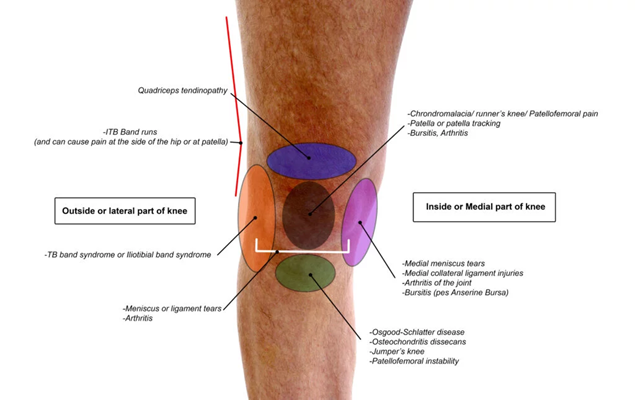
Patellofemoral instability and pain are common conditions affecting the front of the knee, particularly around the kneecap (patella). These issues can cause discomfort, reduced confidence with movement, and difficulty performing everyday or sporting activities. Dr George Awwad provides a thorough assessment and personalised treatment plans to help patients better manage patellofemoral symptoms and restore knee function.
What is patellofemoral instability?
The patellofemoral joint is where the kneecap (patella) meets the thighbone (femur). This joint plays a crucial role in knee movement, especially during activities like climbing stairs, running, or squatting.
- Partial or complete dislocation of the kneecap
- A sensation that the kneecap is “slipping out” or unstable
- Recurring pain or swelling in the front of the knee
What causes patellofemoral pain and instability?
- Previous dislocation or subluxation of the kneecap
- Shallow trochlear groove (trochlear dysplasia)
- Tight or imbalanced muscles around the hip and knee
- Hypermobile joints or generalised ligamentous laxity
- Abnormal patella height (patella alta)
- Lateral pull from tight structures on the outside of the knee
- Improper alignment of the lower limb or foot
Symptoms of patellofemoral instability and pain
- Pain at the front of the knee, especially with stairs, squatting, or prolonged sitting
- A feeling of the kneecap being unstable or moving out of place
- Swelling or puffiness around the patella
- Clicking, popping, or grinding with movement
- Loss of confidence in knee movement or sporting activity
- Visible dislocation or a history of the kneecap “popping out”
Diagnosis and assessment
- A comprehensive history, including details of any dislocations or injuries
- Physical examination to assess patella tracking, muscle strength, joint flexibility, and alignment
- X-rays to examine patella position and joint structure
- MRI or CT scans to evaluate soft tissues, cartilage, and bone anatomy
Treatment options for patellofemoral conditions
Non-surgical treatment
- Physiotherapy: Strengthening the quadriceps, gluteal muscles, and core can improve knee alignment and patella tracking
- Stretching programs: Addressing tight structures such as the lateral retinaculum or iliotibial band
- Bracing or taping: May provide support or improve patella position during activity
- Activity modification: Avoiding aggravating activities and gradually returning to sport
- Orthotics or footwear changes: Helpful if foot alignment contributes to symptoms
- Medications: Anti-inflammatory options may assist with symptom relief in some cases
Surgical treatment
- There is recurrent dislocation or instability
- Conservative measures have failed to relieve symptoms
- Structural abnormalities (e.g. trochlear dysplasia, patella alta, or malalignment) require correction
- Medial Patellofemoral Ligament (MPFL) Reconstruction: Rebuilding the ligament that helps keep the patella in place
- Tibial Tubercle Osteotomy (TTO): Realigning the attachment point of the patellar tendon to improve patella tracking
- Trochleoplasty: Deepening a shallow groove in the femur (for severe dysplasia)
- Lateral Release: Releasing tight structures pulling the kneecap outwards
- Arthroscopy: To assess and treat cartilage or soft tissue damage
Book a consultation
If you’re experiencing kneecap instability, dislocation, or ongoing pain at the front of your knee, Dr George Awwad can provide a detailed assessment and discuss the best treatment options for you.