
Hip Fracture Surgery
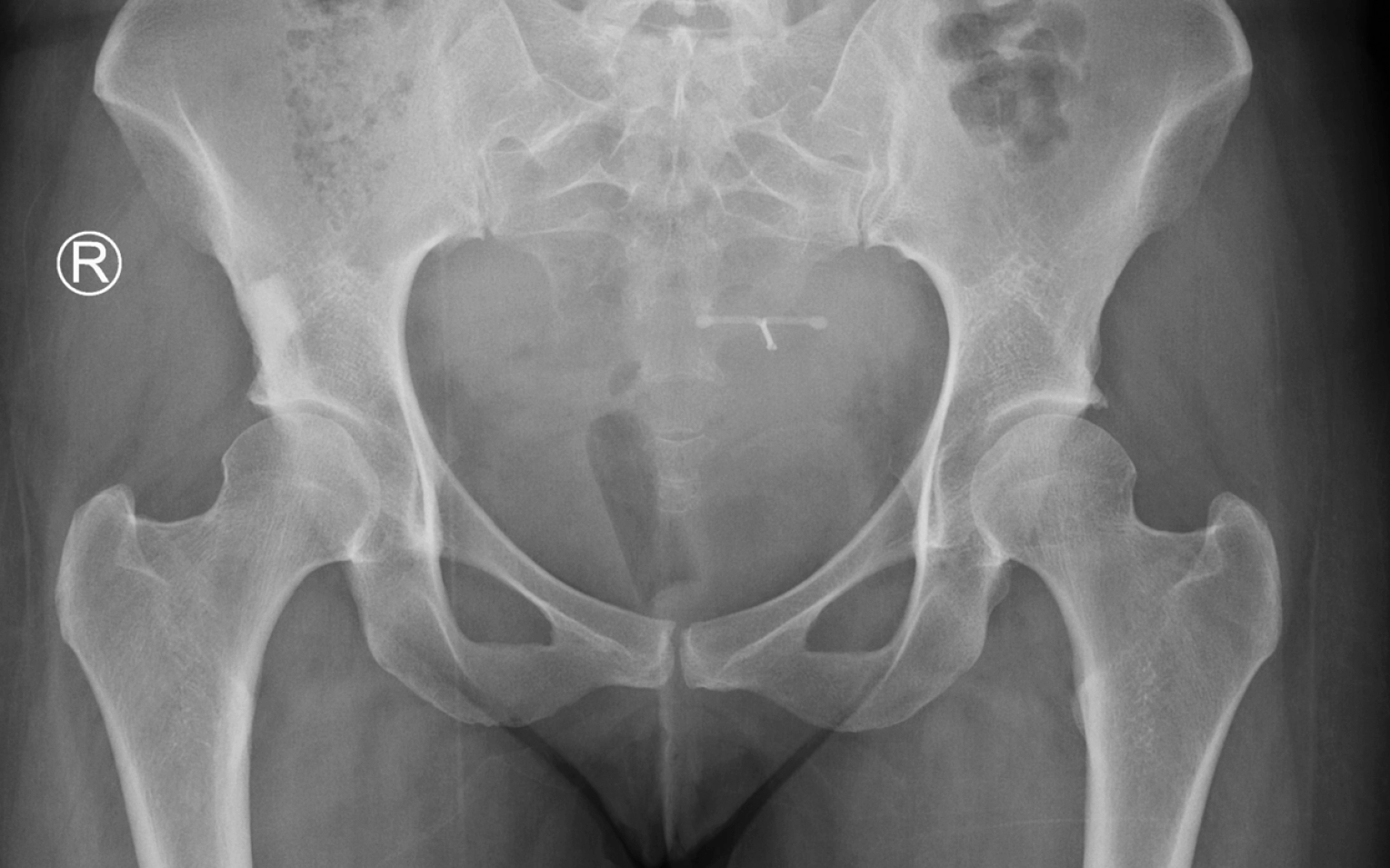
Surgical treatment options for hip fractures and fragility injuries
Hip fractures are a common orthopaedic emergency, particularly in older adults, and often require prompt surgical intervention to restore mobility, reduce complications, and support a return to independence. Whether caused by a fall, low-energy trauma, or underlying bone fragility, a hip fracture can significantly impact your ability to move and perform everyday activities.
This page provides an overview of the types of hip fractures, surgical options available, what to expect during your hospital stay, and recovery considerations following hip fracture surgery. Dr George Awwad offers comprehensive assessment and treatment for hip fractures, with a focus on delivering timely, individualised care to support the best possible outcomes.
Types of hip fractures?
A hip fracture is a break in the upper portion of the femur (thigh bone), near the hip joint. These injuries most commonly occur in older adults, particularly those with osteoporosis or reduced bone density, but they can also result from high-impact trauma in younger patients, such as a car accident or significant fall.
Hip fractures are typically categorised based on the location and pattern of the break in the upper femur (thigh bone). Understanding the type of fracture helps guide the choice of surgical treatment and expected recovery pathway:
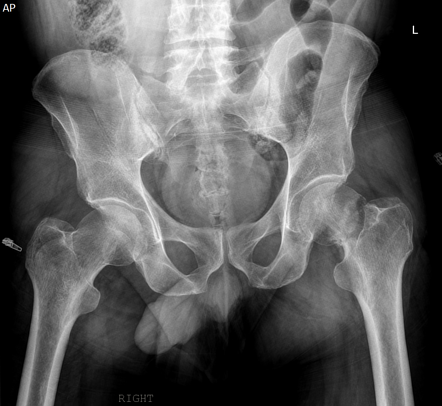
1. Intracapsular fractures
These fractures occur within the capsule of the hip joint, involving the femoral neck, which is the narrow section of bone just below the ball of the hip.
This involves shifting the tibial tubercle towards the inner side (medial side) of the leg.
- Common in older adults with osteoporosis
- Disrupts the blood supply to the femoral head, increasing the risk of complications like bone death (avascular necrosis)
- May require total hip replacement or hemiarthroplasty (partial replacement)
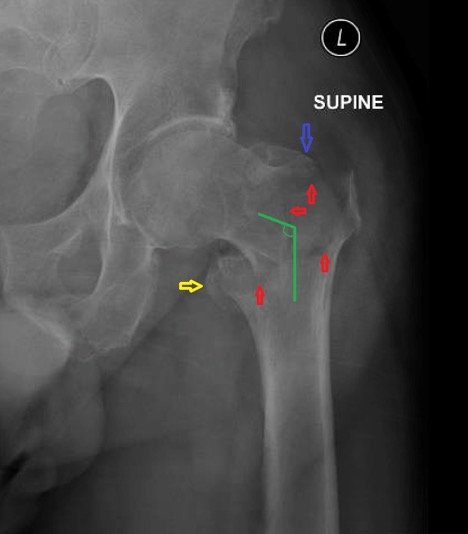
2. Intertrochanteric fractures
Located between the greater and lesser trochanters, these fractures occur just outside the hip joint capsule.
- Generally more stable than intracapsular fractures
- Often treated with internal fixation using a rod or plate and screws
- Can occur from falls in older adults or high-impact trauma in younger people
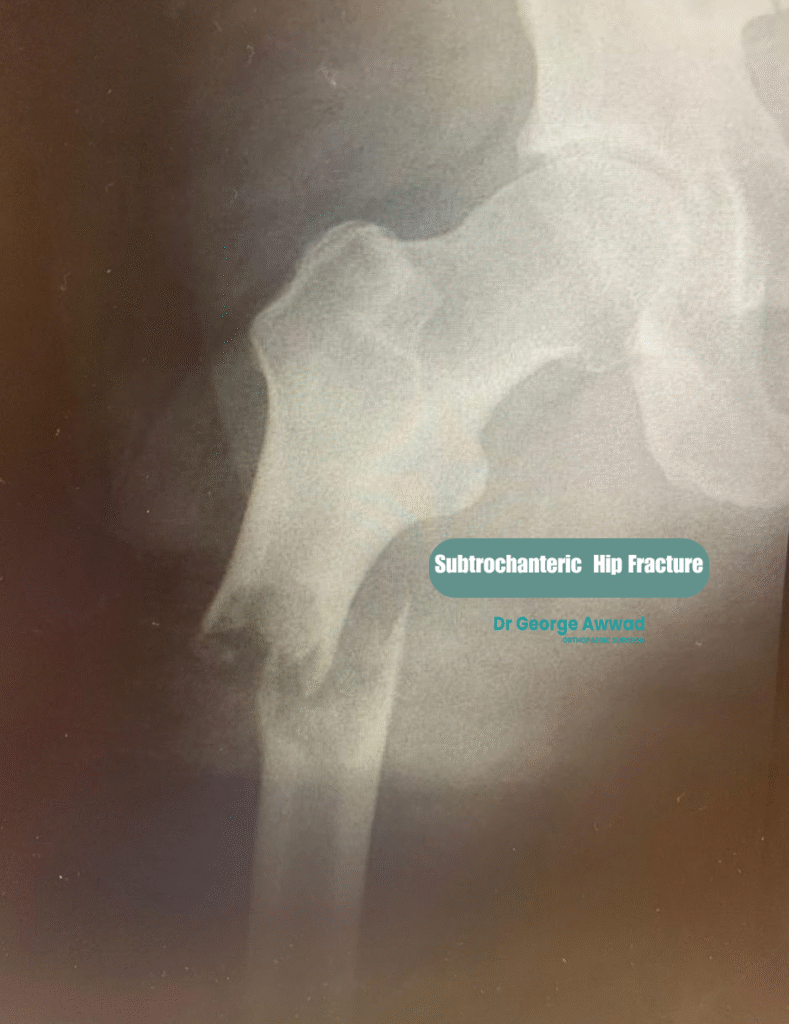
3. Subtrochanteric fractures
- Less common
- Often caused by high-energy trauma or underlying bone pathology
- May require more complex surgical fixation techniques due to the powerful muscles acting on this region
When hip fracture surgery may be recommended
Hip fracture surgery is commonly recommended for most patients, especially when the break causes instability, pain, or an inability to bear weight. For many people, particularly older adults, timely surgery may significantly improve recovery outcomes and reduce the risk of complications associated with prolonged immobility.
-
Displaced or unstable fractures
If the broken bone fragments are misaligned or unstable, surgical fixation or replacement is usually needed to restore joint function and enable safe movement. -
Pain and functional limitation
If you are unable to walk or move comfortably due to the fracture, surgery may be required to stabilise the bone and relieve pain. -
Risk of complications without surgery
Non-surgical management of hip fractures may increase the risk of bed sores, pneumonia, blood clots, and muscle loss, particularly in older patients. -
Fracture pattern and location
Certain types of hip fractures, such as displaced femoral neck fractures or unstable subtrochanteric fractures, typically do not heal well without surgery and carry a high risk of non-union or avascular necrosis. -
General health and mobility goals
For patients who were previously mobile and independent, surgery is often recommended to help regain that independence. Dr Awwad will take into account your general health, bone quality, and functional goals when making treatment recommendations.
In rare cases, surgery may not be appropriate, such as when a patient has multiple complex medical conditions that make surgery unsafe, or if the fracture is non-displaced and stable. In these situations, non-operative care may be considered, and Dr Awwad will explain all available options during your consultation.
Surgical options for hip fractures
The most suitable surgical approach for a hip fracture depends on several factors, including the type and location of the fracture, your age, bone quality, level of mobility before the injury, and your overall health. Dr George Awwad will take all of these into account when recommending the treatment plan best suited to your individual needs.
Internal fixation (hip fracture fixation)
For certain fractures, particularly those that are well aligned or occur outside the joint capsule, surgery may involve stabilising the broken bone using metal implants such as screws, plates, or a sliding hip screw. This method preserves the natural hip joint and is often recommended for younger patients or those with good bone quality.
Intramedullary nailing
Hemiarthroplasty (partial hip replacement)
If the fracture involves the femoral neck and compromises blood supply to the femoral head, a hemiarthroplasty may be advised. This procedure replaces the ball of the hip joint with a prosthetic implant while leaving the socket intact. It is commonly used for older or less active individuals where preserving the natural joint is unlikely to be successful.
Total hip replacement (THR)
In selected patients, especially those who were active and independent before their injury, a total hip replacement may be recommended. This involves replacing both the ball and socket of the hip joint with prosthetic components. For some displaced femoral neck fractures, this option may offer better function and long-term outcomes compared to other procedures.
Post-operative care and early mobilisation
In-hospital recovery
Following surgery, you will typically stay in hospital for a few days to monitor your progress. During this time, your care team will:
- Manage your pain using appropriate medications
- Monitor your wound and overall recovery
- Help prevent complications such as blood clots, infections, or chest issues
- Begin gentle movement and walking, often with the support of a physiotherapist and mobility aids
Early mobilisation
Getting out of bed and beginning to walk, often within the first 24 to 48 hours is a key goal after hip fracture surgery. Early mobilisation helps to:
- Reduce the risk of complications like pneumonia or blood clots
- Maintain muscle strength and joint flexibility
- Improve circulation and support healing
- Support your return to independence
The exact timing and extent of movement will depend on your surgical procedure, the stability of the repair, and your overall health. Physiotherapy will begin early and continue throughout your recovery journey.
Discharge planning and support
Before you leave hospital, a discharge plan will be developed based on your recovery needs and home environment.
This may include:
- A temporary stay in a rehabilitation facility if extra support is needed
- Ongoing physiotherapy at home or in an outpatient setting
- Help with walking aids, home modifications, and daily tasks if required
- Scheduled follow-up appointments with Dr Awwad to monitor your healing and progress
Every recovery is different, and Dr Awwad will tailor your post-operative care to support your mobility, safety, and return to daily life.
Recovery and rehabilitation after hip fracture surgery
Recovering from a hip fracture is a gradual process that involves more than just healing the bone. A structured rehabilitation plan is essential to help you regain strength, mobility, and confidence in daily activities. After your surgery, Dr George Awwad and your hospital care team will work closely with you to support a safe and effective recovery. Early mobilisation, physiotherapy, and tailored rehabilitation strategies all play a key role in reducing complications and promoting independence.
- Pain management: Medications will be used as needed to keep you comfortable and allow participation in physiotherapy.
- Early mobilisation: Getting you out of bed and moving, often within 24–48 hours of surgery—is crucial. This helps prevent complications such as blood clots and chest infections.
- Physiotherapy: Guided exercises will focus on restoring movement in your hip, improving muscle strength, and gradually increasing your walking distance.
- Walking aids: You may need to use a walking frame or crutches initially to support balance and reduce the load on your healing hip.
- Discharge planning: Most patients require a period of supported care after hospital discharge. This may include rehabilitation in a hospital-based unit or supported recovery at home with the help of community services or family.
- Ongoing follow-up: Dr Awwad will monitor your progress through post-operative reviews and imaging, adjusting your recovery plan as needed.
Returning to normal activities takes time and varies for each person. Factors such as your pre-injury health, home environment, and support network will influence your recovery speed. Dr Awwad will work closely with your rehabilitation team to help you return to daily life as safely and independently as possible.
Reducing the risk of future fractures
Bone health optimisation
Dr Awwad may work in collaboration with your GP or specialist to assess and manage underlying bone conditions such as osteoporosis or osteopenia. This may involve:
- Bone density testing (DEXA scan)
- Prescription of medications that help strengthen bone and reduce the risk of further fractures
- Supplementation with calcium and vitamin D
Falls prevention strategies
- A home safety assessment to identify and remove trip hazards
- Strength and balance exercises
- Vision checks and appropriate footwear
- Walking aids or mobility supports, if needed