
Knee Arthroscopy
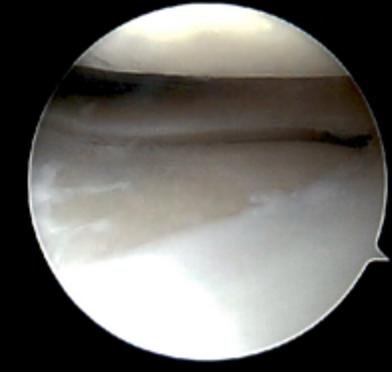
Knee arthroscopy surgery to investigate and treat joint damage
Knee arthroscopy is commonly performed to diagnose and treat a wide range of knee problems, including cartilage damage, meniscal tears, loose bodies, inflammation, or early degenerative changes.
Through small keyhole incisions, specialised instruments can be used to perform precise repairs or clean-up of damaged tissue, often avoiding the need for open surgery. Recovery is typically faster and less painful than traditional approaches, although rehabilitation and activity modification are still important.
Knee arthroscopy may be recommended if non-surgical treatments such as physiotherapy, medication, or injections have not improved your symptoms. Dr George Awwad will help determine whether arthroscopy is suitable for your condition based on your symptoms, imaging results, and activity goals.
What is knee arthroscopy?
Knee arthroscopy is a minimally invasive surgical procedure used to diagnose and treat problems within the knee joint. It is commonly performed when imaging tests (such as X-rays or MRI) do not fully explain knee pain or when non-surgical treatments have not improved your symptoms.
During the procedure, Dr Awwad makes a few small incisions around the knee and inserts a tiny camera (arthroscope) to view the inside of the joint on a monitor. Specialised surgical instruments are then used to repair or remove damaged tissue as needed.
Knee arthroscopy can be used to treat a wide range of knee conditions, such as torn cartilage (meniscus), damaged ligaments, loose bone or cartilage fragments, inflamed joint linings, and patella (kneecap) tracking problems. Because the procedure is performed through small incisions, it generally involves less pain and a quicker recovery than traditional open surgery.
Dr Awwad will discuss whether knee arthroscopy is appropriate in your situation, based on your symptoms, imaging results, and overall knee health.
Conditions that may be treated with knee arthroscopy
2. Loose Bodies
Fragments of bone or cartilage may break off and float within the joint, causing pain, swelling, or locking. These loose bodies can be located and removed arthroscopically.
5. Synovitis
6. Patella Tracking Disorders
7. Plica Syndrome
9. Baker’s Cyst (Secondary Treatment)
When knee arthroscopy might be recommended
Ongoing Knee Pain or Swelling
Mechanical Symptoms (Locking, Catching, or Giving Way)
Suspected Cartilage or Meniscal Injury
Limited Range of Motion
Unclear Diagnosis
Preparation for Further Surgery
Common arthroscopic knee procedures
Arthroscopic surgery is a versatile technique used to diagnose and treat a wide range of knee conditions. Below are some of the most common procedures performed arthroscopically:
Meniscus repair
Meniscectomy
ACL reconstruction
PCL reconstruction
Removal of loose bodies
Cartilage debridement or repair
Fracture assessment and stabilisation
Joint preservation for early osteoarthritis
The knee arthroscopy procedure: step-by-step
1. Pre-operative preparation
2. Small incisions are made
3. Insertion of the arthroscope
4. Joint inspection and diagnosis
5. Treatment of identified issues
- Trimming or repairing a torn meniscus
- Removing loose fragments of bone or cartilage
- Smoothing damaged cartilage (chondroplasty or debridement)
- Reconstructing torn ligaments (e.g. ACL or PCL)
- Synovectomy (removal of inflamed joint lining)
6. Flushing and closure
7. Dressing and recovery
Recovery and rehabilitation after knee arthroscopy
Immediately After Surgery
- Hospital Stay: Most patients can go home on the same day of surgery.
- Crutches: You may need crutches for support during the initial 24–72 hours, depending on your procedure and comfort.
- Pain Management: Ice packs, elevation, and prescribed medications may help reduce swelling and manage discomfort.
- Wound Care: Waterproof dressings allow showering but, these should remain clean and intact for the first 2 weeks.
Weeks 1–2: Early Mobility and Pain Control
- Weight-Bearing: You will usually be allowed to bear weight as tolerated unless instructed otherwise for more complex procedures like meniscal repair.
- Exercise Goals:
- Regain full knee extension (straightening).
- Initiate gentle range-of-motion (ROM) exercises and quadriceps activation (e.g. quadriceps sets and straight leg raises).
- Precautions:
- Avoid prolonged standing or walking.
- Limit stairs and deep squats during this period. Avoid deep squats and uneven ground.
Weeks 3–6: Regaining Range and Strength
- Activities:
- Begin stationary bike (with no resistance) and pool walking (once wounds are fully healed).
- Increase ROM exercises to aim for 0–120 degrees of flexion.
- Add leg presses, mini squats, and hamstring curls as tolerated.
- Physiotherapy: Regular sessions to guide progression, monitor swelling, and refine gait.
Weeks 6–12: Progressive Strengthening
- Goals:
- Achieve full range of motion.
- Improve muscular control and balance.
- Return to low-impact activities (e.g. elliptical trainer, gentle cycling).
- Exercise Progression:
- Introduce resistance training, proprioception, and closed-chain strengthening exercises.
- Avoid pivoting, twisting, or impact activities unless cleared by your physiotherapist or surgeon.
Beyond 3 Months: Return to Sport or Work
- Return to Sport: Gradual return to higher-level or sport-specific training, usually after 3 months depending on the extent of the procedure (e.g. meniscus repair vs. simple debridement).
- Work: Most desk-based workers return within 1–2 weeks. Manual labourers may require 6–12 weeks or longer.
- Ongoing Rehab: Home-based and/or gym exercises may be continued with physiotherapist oversight.
Follow-Up Appointments
- You will typically see Dr Awwad for review within 1–2 weeks post-surgery to assess wound healing and range of motion.
- Further follow-ups will monitor your functional progress and discuss return to activity timelines.
Benefits of knee arthroscopy
Minimally invasive technique
Reduced pain and swelling
Faster recovery and return to activity
Clear visualisation of the joint
Lower risk of infection
Outpatient or short hospital stay
Versatility in treatment
- Meniscal repair or removal
- Ligament reconstruction (e.g. ACL or PCL)
- Cartilage repair or debridement
- Removal of loose bodies
- Synovial tissue removal
- Treatment of mild to moderate arthritis (joint preservation)
Risks and potential complications of knee arthroscopy
Knee arthroscopy is considered a low-risk procedure, particularly when compared to open surgery. Like any surgical intervention however, it carries potential risks and complications.
Possible risks include:
Infection
Bleeding or bruising
Joint stiffness
Swelling and pain
Nerve or blood vessel injury
Deep vein thrombosis (DVT)
Delayed healing or persistent symptoms
Complications related to anaesthesia
It’s important to note that the likelihood of serious complications is low, and many patients recover smoothly with appropriate post-operative care. Your individual risks will be discussed in more detail during your consultation with Dr Awwad, including how to prepare for surgery and minimise these risks.