
Sports Knee Injuries
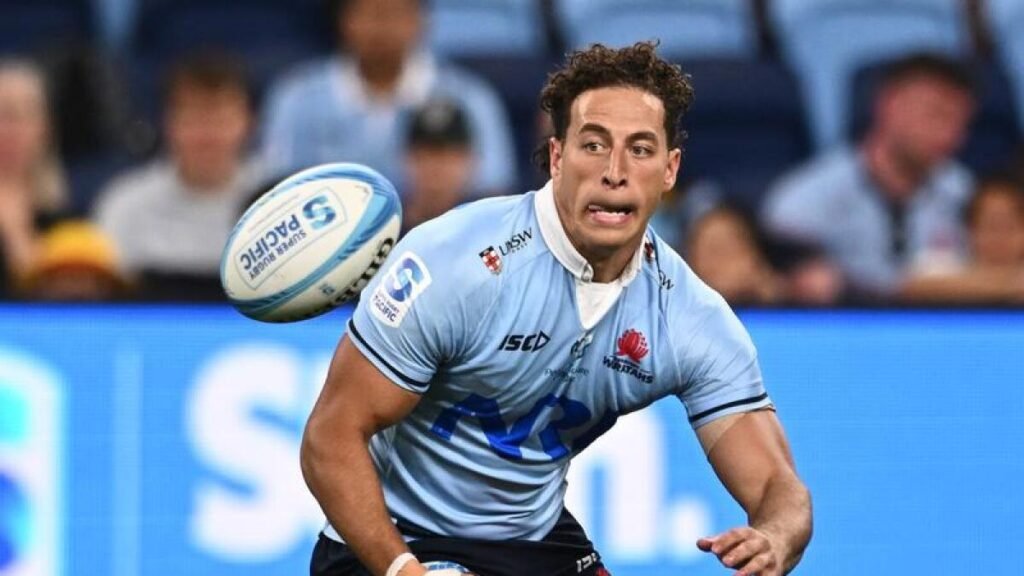
Understanding, diagnosing, and treating common sports related knee conditions
Sports and recreational activities place significant demands on the knee joint. Whether you’re a weekend jogger, a competitive athlete, or simply active in your day-to-day life, the knee is vulnerable to injury due to its complex structure and load-bearing role. Sports knee injuries can involve the ligaments, tendons, meniscus, cartilage, or bone, and may range from minor strains to complex trauma requiring surgical intervention.
Dr George Awwad is a fellowship-trained orthopaedic surgeon with extensive experience in the diagnosis and treatment of sports-related knee injuries. His approach includes thorough assessment, personalised treatment planning, and clear rehabilitation pathways to help you recover function and return to the activities you enjoy.
Common types of sports-related knee injuries
Several knee injuries are more common in people who play sport or engage in physical activity, including:
Symptoms of sports knee injuries
- Sudden pain at the time of injury
- Swelling or bruising
- Feeling of instability or “giving way”
- Locking, catching, or clicking in the joint
- Difficulty bearing weight or straightening the knee
- Reduced performance or confidence in sport
Diagnosis and imaging
- Discussion of the injury mechanism and your sports involvement
- Physical examination of knee movement, strength, and stability
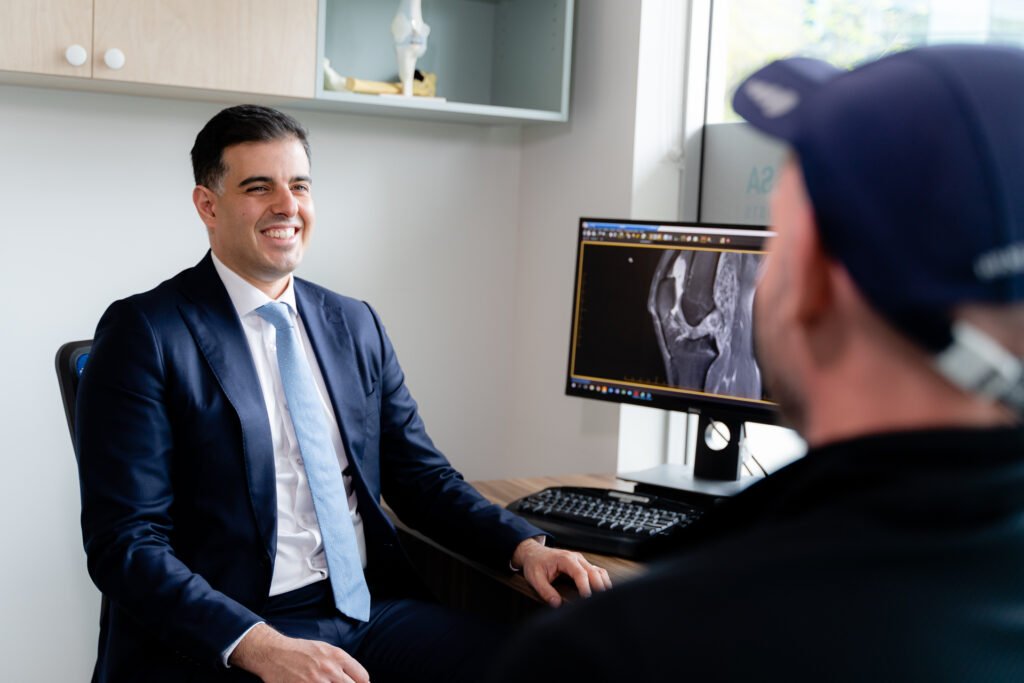
- Imaging investigations to assess the internal structures of the knee
- X-rays: To rule out fractures or joint misalignment
- MRI scan: To evaluate soft tissues such as ligaments, menisci, cartilage, and tendons
- Ultrasound: Sometimes used for tendon or fluid assessments
Treatment options for sports knee injuries
Non-Surgical Management
For mild to moderate injuries, treatment may include:
- Rest, ice, compression, elevation (RICE)
- Activity modification and load management
- Physiotherapy to restore strength and stability
- Bracing or taping for support
- Anti-inflammatory medication or targeted injections
Surgical Intervention
- ACL reconstruction
- Meniscus repair or trimming
- MPFL reconstruction (for patellar instability)
- Cartilage repair procedures
- Tendon repair (e.g. patellar or quadriceps tendon rupture)
- Knee arthroscopy for diagnosis and treatment
Recovery and return to sport
- Guided exercises to restore range of motion and strength
- Gradual return-to-sport programs
- Injury prevention strategies to avoid re-injury
- Monitoring progress and addressing any concerns along the way
When to seek a specialist opinion
If you’ve experienced a knee injury during sport and have ongoing pain, swelling, instability, or reduced performance, it may be time to seek further assessment. Early diagnosis and treatment can prevent further damage and improve your outcomes. Dr George Awwad welcomes patients of all ages and sporting backgrounds. Whether you’re a professional athlete or recreational runner, a tailored approach will be developed to support your recovery and return to the activities you love.